

Application of Low Carbon Construction Innovation & Research
The webinar was organized by the Taiwan-Indonesia Science and Technology Innovation Center (TI-STIC) and the Institute Teknologi Sepuluh Nopember (ITS).
Date: Thursday, 29 May 2025
Time: 13:00 - 15:10 Jakarta time (14:00 - 16:10 Taiwan time)
The speakers included:
- Dr. Rong-yau Huang, Chief Executive Officer of the Construction Circular Economy Development Office at the Taiwan Construction Research Institute (TCRI)
- Dr. Januarti Jaya Ekaputri, Lecturer at the Department of Civil Engineering, Faculty of Civil Engineering and Planning, ITS
- Ms. Festy Ratna Aditama, Engineering Division Manager of PT Wijaya Karya Beton Tbk., Indonesia
A total of 68 participants joined the webinar via the Zoom platform.
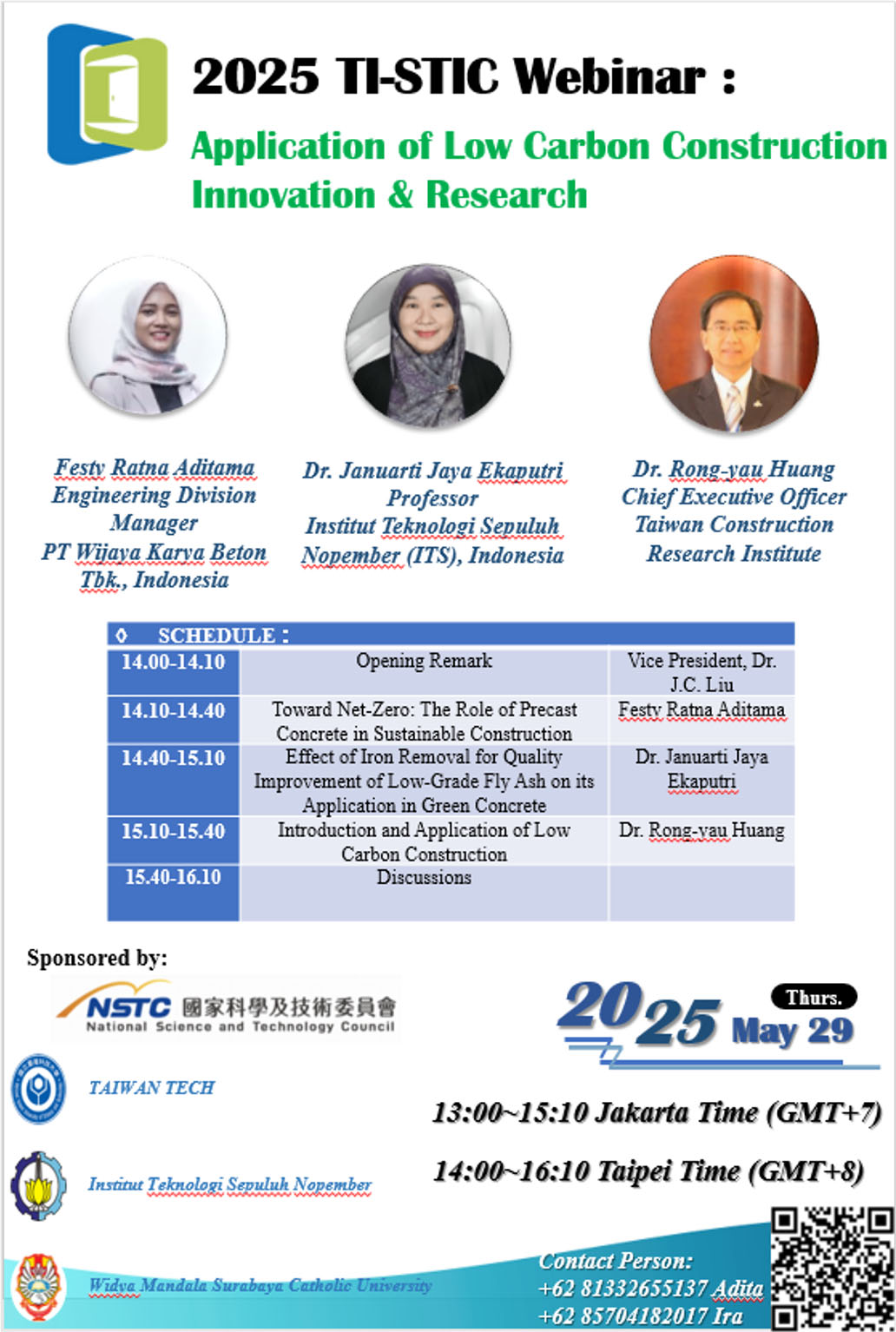
Fig 1: Flyer of "Application of Low Carbon Construction Innovation & Research" Webinar
In the first session, Ms. Festy delivered a presentation titled “Toward Net Zero: The Role of Precast Concrete in Sustainable Construction.” She introduced WIKA’s corporate vision and strategy for achieving sustainable financial performance, operational agility, and future-ready business processes. She emphasized the challenges commonly faced in implementing low-carbon construction, such as the lack of policy incentives and regulatory support. Nevertheless, WIKA continues to adopt environmentally friendly materials and precast concrete technologies to reduce the carbon footprint of its construction activities. She also highlighted WIKA’s concrete efforts in implementing ESG principles, demonstrating the company’s strong commitment to environmental responsibility, social contribution, and corporate governance on its path toward net-zero.
Dr. Januarti Jaya Ekaputri from ITS presented on “Effect of Iron Removal for Quality Improvement of Low-Grade Fly Ash on Its Application in Green Concrete.” She began by introducing Indonesia’s National Development Plan and outlined the country’s 20-year transformation roadmap for the construction sector (2025-2045). She noted that the key assessment criteria for sustainability in construction include the use of local materials, incorporation of recycled content, and the application of prefabricated components. These strategies not only reduce the environmental impact of construction but also contribute positively to the implementation of Indonesia’s national sustainability agenda. Dr. Januarti emphasized that technological innovation in improving the quality of fly ash can further promote green material applications and help realize circular economy goals.
Lastly, Dr. Rong-Yau Huang gave a talk titled “Introduction and Application of Low Carbon Construction,” in which he pointed out that emissions from material production to the construction phase account for approximately 14-15% of global carbon emissions, making it a critical sector in achieving net-zero targets. Through real-world case studies such as the ABN AMRO CIRCL building in the Netherlands, Berlin Hauptbahnhof in Germany, and public housing remodeling projects in France, Dr. Huang illustrated how low-carbon concepts can be integrated into architectural design, material selection, and construction practices to achieve both environmental sustainability and high-performance buildings.
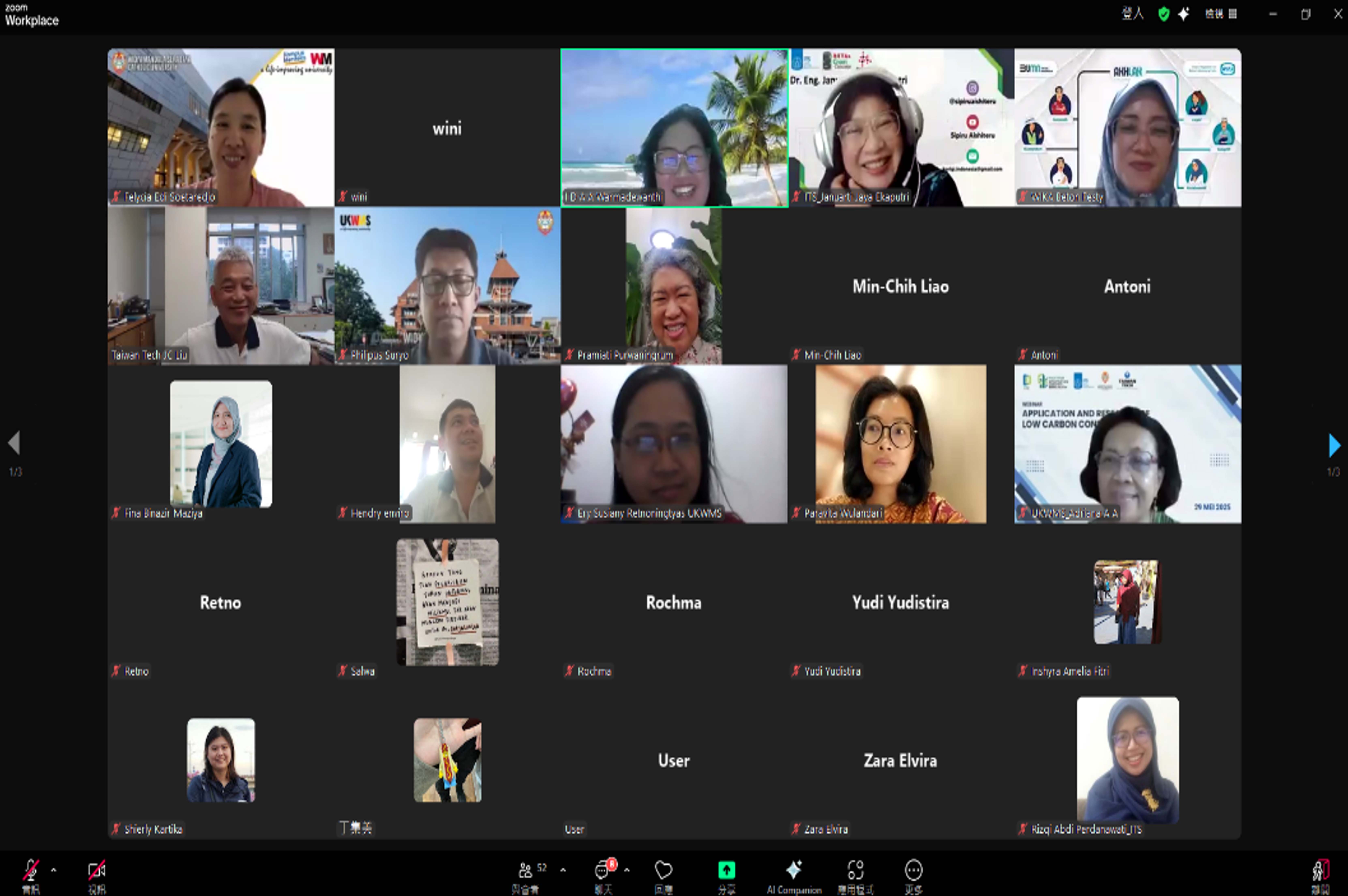
Fig 2: Group photo of Webinar participants
- News/Photo provided by TI-STIC

